
The internet gives you numerous options to manage defects – which issue tracking tool to use, how to assign/divide responsibilities, which bug to prioritize, and so on.
But even with the best tool available claiming to assist you in running the smoothest issue tracking cycle, you or your testing team may still get stuck on detecting & flagging defects – and most of them never leave.
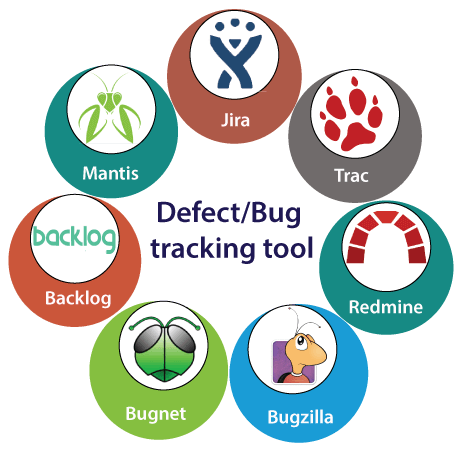
So, what you can do is think differently about your defects, blocking their flow, and getting on top of your issue tracking cycles with these game-changing tricks:
Sometimes flaws are good
It is very natural to think of defects as bad because they give the feeling of committing a mistake. We know them as bugs and reach the developer for creating/introducing them in the codes.
Testers almost find themselves self-pitying after finding a bug, and achieving this one bug becomes the one goal. Instead, they should focus on why the problem occurred and how to avoid it in the real-time future. Because what was known and detected can reappear again!
A Dexterous testing team sees these bugs as opportunities to hook by and introduce convenient solutions. Curiosity teaches you about the bug, its origin, its connection with the entire system and helps you define futuristic defect management solutions.
Bugs Vs. A Tester’s Brain
Fixing a bug is a moment of celebration, but preventing it from reappearing in the future is even better.
Apparently, a coding error causes the bug but going to the root may discover that the continuous code changes at the very last minute are the main reason.
There can be many reasons such as:
- Misinterpreted requirement documentations
- Hesitant communication between two team members associated with the defect/problem.
- Lack of interaction ad adaptability to working remotely
Different test projects may have unique defects stories. But only root-cause analysis can identify the real problems. You can find the best solutions to fix these problems such as conflict-resolution between the team members, integrating new issue tracking tools, executing new testing techniques, etc. You can further prevent future bugs from showing and learn more about your system.
Ask big questions because no bug is bigger than your brain!
Set Success to Default
Bugs provide the most essential feedback about your SDLC. They are suggestive about if things are about to get troublesome or smoother for the entire team.
Jump into the pit of success: prefer making changes whenever you track an issue. This reduces the chance of potential mistakes. By doing this, you are creating an environment where there are fewer chances of mistakes.
The change can be simply adding details to the log-in form but can also be as severe as deleting an entire feature. Whenever you fix a problem, always write a test case to avoid a relapse. Overall, create a software architecture that is frictionless and is easy to improvise if needed.
Own your Bug Story
With bugs comes embarrassment.; it can be a naturally occurring thought, but it may take you on a complicated path where issue management is cumbersome
Not ready for your customers’ criticism? Do not worry because they will appreciate transparency and accountability. So, accept the bug in your product, share it with your customers, and tell them how you or your team solved it for their ease of use. Because even if you do not tell about the bug, the users will detect it by themselves, and the situation will escalate to actual embarrassment. They will be affected either way but showing acknowledgment of your shortcomings will win their trust.
The reason being, sharing the app problems with your users shows that you care about their app experiences; meanwhile, you are also motivating yourself to dig deeper and resolve the issue. Publish how you transformed from your outages or weaknesses on your services page or your official social media network such as GitHub, Twitter, Tes, etc.
It can be an inspiring success story of owning your app defects and proudly delivering an alpha product to your customers. Curate your heroic stories about how your team dealt with a severe bug. Apart from transparency, you also share work processes with your future employees.
Ending Note
Every product patch or software cycle will have issues, and you will struggle to deal with real-time problems. But do not spend your time detecting and fixing each issue in isolation. Think of these defects differently because each of them affects users in another way.
So, pick these game-changing tricks and topple down your issue tracking game forever.
 Kualitee